
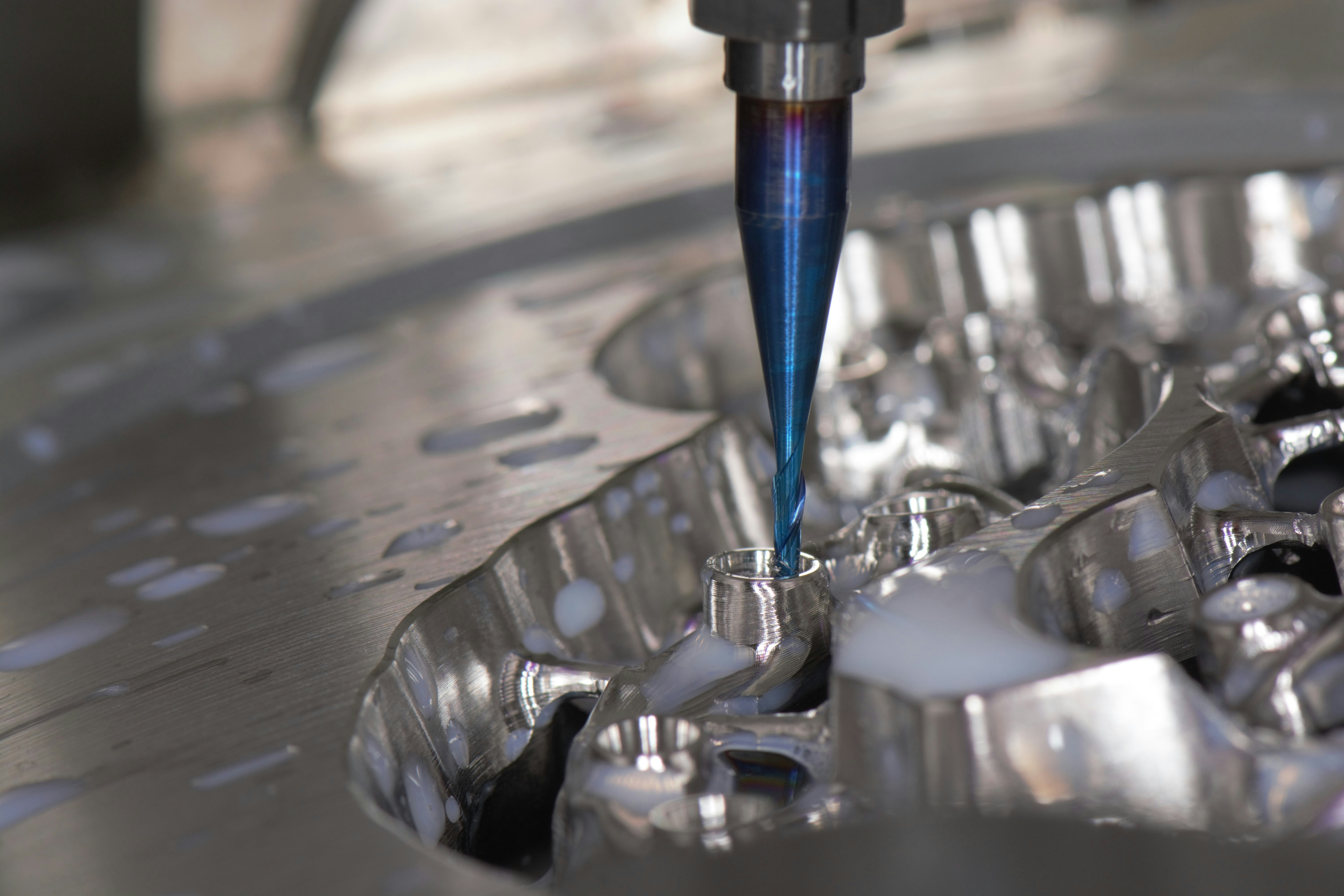
What is Acrylic CNC Machining?
Acrylic CNC machining refers to a manufacturing process that utilizes Computer Numerical Control (CNC) technology to manipulate acrylic materials with a high degree of accuracy and precision. This method is instrumental in producing complex shapes, intricate designs, and precise cuts in acrylic sheets, making it a valuable asset in various sectors of the manufacturing industry. Acrylic, known for its clarity, strength, and versatility, is increasingly being utilized in projects that demand aesthetic appeal along with durability.
The CNC machining process involves the use of pre-programmed computer software to control the movement of machinery and tools. With this advanced technology, operators can produce detailed designs that would be extremely challenging to achieve by manual methods. The integration of CNC systems with acrylic materials enables manufacturers to create components that meet specific dimensions and tolerances, catering to diverse applications ranging from signage to custom parts and displays.
A notable advantage of acrylic CNC machining is its ability to yield smooth edges and polished finishes that enhance the overall visual quality of the final product. Unlike traditional machining methods that might lead to rough edges, CNC machining ensures a clean cut, which is crucial for applications where aesthetics are important, such as in retail displays or decorative installations. Moreover, the versatility of acrylic allows for an array of colors and textures, enabling designers to achieve the desired effect for their projects.
In summary, acrylic CNC machining represents a sophisticated approach to manufacturing that leverages technology to foster innovation within various industries. By allowing manufacturers to create complex, high-quality components efficiently, it plays a vital role in shaping the future of production processes.
Benefits of Using Acrylic in CNC Machining
Acrylic, also known as polymethyl methacrylate (PMMA), has emerged as a preferred material in CNC machining owing to its numerous advantages. One of the most notable benefits of acrylic is its lightweight nature. This characteristic makes it easier to handle and transport during production processes, thus contributing to overall efficiency. In comparison to other materials such as glass or metal, acrylic offers a significant weight advantage without compromising structural integrity.
Durability is another key aspect that positions acrylic favorably in various applications. Acrylic is known for its resistance to shattering, making it a safer alternative to glass. It can withstand impact while maintaining clarity, which is essential for applications that require transparency. Moreover, when compared to various types of plastics, acrylic exhibits superior weatherability, resisting yellowing and degradation when exposed to UV light, thus enhancing its longevity in outdoor applications.
The versatility of acrylic cannot be overlooked. It can be easily molded and modified through processes like CNC machining, allowing for intricate designs and shapes that are often challenging to achieve with metals or other rigid materials. This adaptability makes acrylic suitable for a wide array of products, from signage to furniture, and even complex components in engineering applications. Furthermore, acrylic is available in various colors and finishes, providing designers with the flexibility to achieve specific aesthetic results aligned with their project requirements.
When comparing acrylic to other materials commonly utilized in CNC machining, such as polycarbonate or metal composites, it becomes evident why many projects favor acrylic. While polycarbonate is more impact-resistant, it often lacks the clarity and aesthetic appeal of acrylic. In conclusion, the combination of lightweight properties, durability, versatility, and aesthetic attributes solidifies acrylic’s position as a prime choice in the realm of CNC machining.
The CNC Machining Process for Acrylic
The process of CNC machining acrylic involves a structured approach that begins with the design of a Computer-Aided Design (CAD) model. Initially, a designer creates a detailed 3D representation of the desired acrylic component using CAD software. This model should account for the specific properties of acrylic, such as its tendency to chip or melt under heat. It is essential to ensure that the design includes appropriate dimensions and tolerances to achieve a precise final product.
Once the CAD model is finalized, the next step involves setting up the CNC machine. This includes loading the design file into the CNC system, ensuring all parameters are accurately set according to the specifications of both the machine and the acrylic material. Proper calibration of the machine is vital, as incorrect settings can lead to inaccuracies and defects in the finished piece. Before commencing the machining process, it is advisable to conduct a dry run to verify the tool paths and prevent any potential issues during actual machining.
Selecting the appropriate tooling is a critical step in the CNC machining of acrylic. Tools that are specifically designed for plastics, such as single-flute end mills, are recommended because they minimize heat generation and reduce the risk of chipping. The speed and feed rates should also be adjusted appropriately; lower speeds can help to prevent melting, while adequate feed rates can ensure a clean cut. Throughout the cutting process, monitoring the conditions can help in identifying any emerging problems, such as overheating or tool wear.
Finally, executing the machining requires attentive oversight. Watching for signs of stress on the acrylic, such as cracking or excessive debris, can inform timely adjustments to the machining parameters. By following these structured steps, manufacturers can achieve a high-quality end product with minimal issues, maximizing the potential of acrylic CNC machining.
Choosing the Right CNC Machine for Acrylic
When it comes to machining acrylic, selecting the appropriate CNC (Computer Numerical Control) machine is vital for achieving optimal results. Various types of CNC machines are available, including routers, lasers, and mills, each with distinct capabilities that cater to different project requirements. Understanding the specific characteristics of these machines is crucial in identifying the best fit for acrylic machining tasks.
The first criterion to consider is the size of the CNC machine. Acrylic sheets come in various dimensions, and selecting a machine that can accommodate your project’s scale is essential. For larger pieces, a gantry-style router may be most suitable, as its expansive work area enables efficient production of sizable components. Conversely, for smaller intricacies, a compact CNC machine or a laser cutter could provide the precision required.
Power is another critical factor when selecting a CNC machine for acrylic. Machines with higher horsepower typically offer faster cutting speeds and improved performance on dense materials. However, one must balance power with the need for precision—a machine with excessive power may contribute to overheating or melting the acrylic, leading to suboptimal finishes.
Precision cannot be overlooked in the choice of CNC machines, especially when intricate designs and detailed cuts are involved. Look for machines with features such as high-resolution servo motors and precise ball screws, which facilitate accurate movements and finer detailing. Additionally, research various models that specialize in acrylic machining, taking note of established brands such as Multicam and ShopBot, which are well-regarded for their reliability and performance in the industry.
In summary, the choice of the right CNC machine for acrylic hinges on understanding the project’s specific needs regarding size, power, and precision. By carefully evaluating these criteria and considering reputable brands, one can enhance machining outcomes and ensure high-quality results in acrylic fabrication.
Best Practices for Machining Acrylic
Machining acrylic requires specific techniques to achieve optimal results while minimizing potential issues. One of the foremost considerations is selecting the correct cutting tool material. High-speed steel (HSS) and carbide bits are optimal choices, as they provide durability and can achieve the necessary precision when machining acrylic. The geometry of the cutter should also be adapted, utilizing tools with a sharp edge and appropriate rake angle to reduce chipping and enhance surface finish.
When it comes to cutting speed and feed rates, it is essential to strike a balance. Acrylic can be machined effectively at higher cutting speeds, usually ranging from 10,000 to 25,000 RPM, depending on the thickness and type of acrylic material. A slower feed rate is generally recommended, typically between 5 to 20 inches per minute. This helps ensure that the cut is clean and reduces the likelihood of melting or damaging the material due to excessive heat.
Cooling and lubrication play a vital role in the machining process. Utilizing air blasts or coolant can keep the acrylic temperature regulated, preventing thermal deformation or melting. While lubrication is not always necessary when machining acrylic, a light mist of lubricant can enhance the cutting process in some instances. Choosing a lubricant compatible with acrylic—which avoids any solvents that could damage the material—is critical.
Another important aspect is the removal of chips and debris during machining. Accumulated chips can lead to poor surface finish and increased friction, causing overheating. Implementing effective chip evacuation techniques, such as using vacuum systems, will help maintain a clean workspace and improve the overall quality of the machined acrylic piece.
By adhering to these best practices, machinists can effectively process acrylic, achieving superior quality and precision in their finished products.
Common Applications of Acrylic CNC Machining
Acrylic CNC machining is an innovative process that offers a wide spectrum of applications, owing to the unique properties of acrylic materials. One of the most prevalent uses of acrylic in this context is the creation of artistic displays. Artists and designers appreciate acrylic for its ability to be easily shaped and colored, allowing for the fabrication of intricate designs that are visually striking and durable. This versatility makes acrylic an ideal choice for exhibitions and gallery installations, where the artwork needs to stand out.
Another significant application is the development of prototypes. In industries ranging from automotive to consumer electronics, engineers and designers utilize acrylic CNC machining to create precise prototypes that reflect their design intentions accurately. The clarity of acrylic material enables stakeholders to visualize the final product and assess its functionality before entering mass production stages.
Acrylic CNC machining is also extensively used in the construction of architectural models. Architects rely on acrylic due to its lightweight nature and the ease with which it can be cut and shaped to represent complex building designs. Such models not only aid in client presentations but also serve essential purposes during the planning and development phases of projects.
Promotional products form another application where acrylic CNC machining shines. Custom acrylic items, such as awards, signage, and promotional displays, can effectively communicate brand messages and enhance visibility at corporate events or trade shows. Given the material’s adaptability and aesthetic appeal, businesses can leverage acrylic to create distinctive marketing materials that resonate with their audience.
In summary, the array of applications for acrylic CNC machining is vast, ranging from artistic creations to functional prototypes. Its versatility encourages innovative approaches and solutions across various fields, inspiring individuals and businesses alike to explore the potential of acrylic in their projects.
Challenges in Acrylic CNC Machining and Solutions
Acrylic CNC machining presents a unique set of challenges that operators must navigate to achieve optimal results. One common issue is cracking, which can occur during both the machining process and post-processing. This problem typically arises from the inherent brittleness of acrylic materials or improper tool selection. To mitigate the risk of cracking, it is vital to use high-quality cutting tools specifically designed for acrylic, ensuring that the feed rate and cutting speed are properly adjusted to minimize stress on the material.
Another challenge that often surfaces in acrylic machining is achieving a smooth surface finish. Acrylic has distinctive characteristics that can lead to frayed or chipped edges if not handled correctly. To address this, implementing the right machining strategies is crucial. Utilizing sharp, polished tooling can optimize the surface quality, while a proper cooling system may help prevent thermal expansion, which can further compromise the finish. Moreover, finishing techniques such as sanding and polishing can be employed after machining to enhance the overall appearance and clarity of the acrylic components.
Static electricity is yet another issue that may arise during acrylic CNC machining. Acrylic materials tend to attract dust and debris, which can affect both the machining process and the final finish. To combat static, operators can employ ionizers to neutralize charges in the environment. Additionally, keeping the workspace clean and regularly maintaining the machinery can significantly reduce the buildup of static electricity. By proactively addressing these challenges—cracking, surface finish issues, and static electricity—manufacturers can enhance their machining processes, yielding quality acrylic products that meet stringent design specifications.
Innovations and Future Trends in Acrylic CNC Machining
The realm of acrylic CNC machining is witnessing significant innovations that are shaping the future of this industry. Cutting-edge technology continues to enhance machine capabilities, enabling precise and intricate designs that were previously unattainable. Modern CNC machines are increasingly equipped with advanced sensors and automation features, which improve efficiency and reduce the margin for error during the machining process. These advancements not only optimize production times but also enhance the overall quality of the finished product.
Software developments are also revolutionizing the acrylic machining landscape. The integration of sophisticated design software, including computer-aided design (CAD) and computer-aided manufacturing (CAM) programs, allows for a seamless transition from design to production. Enhanced simulation capabilities enable machinists to preview machining operations, thus identifying potential issues before they become costly mistakes. As these software solutions evolve, they increasingly incorporate artificial intelligence and machine learning, leading to smarter machining processes that adapt to varying project requirements.
Another critical aspect of these innovations is the shift towards sustainability in acrylic CNC machining practices. As environmental concerns gain prominence, manufacturers are seeking ways to minimize waste and energy consumption. New machining techniques and materials that produce less scrap, as well as more eco-friendly acrylic alternatives, are emerging. Companies that adopt sustainable practices not only contribute positively to the environment but also enhance their brand reputation, as consumers increasingly favor environmentally conscious businesses.
Looking to the future, it is anticipated that further advancements will emerge, particularly in areas such as customization and personalization. As clients demand unique designs, the capabilities of CNC machines are expected to expand, facilitating the creation of tailor-made products with greater speed and precision. Embracing these trends will be crucial for businesses aiming to remain competitive in the rapidly evolving landscape of acrylic CNC machining.
Conclusion and Final Thoughts
Acrylic CNC machining has emerged as a pivotal technology in various industries, offering unmatched precision, versatility, and enhanced aesthetic appeal for projects. Throughout this guide, we have thoroughly examined the attributes and advantages of employing acrylic materials in CNC machining processes. From the clarity and lightweight nature of acrylic to its adaptability in numerous applications, it provides a dynamic solution for designers and manufacturers alike.
As noted, acrylic is not only cost-effective compared to other plastics but also allows for intricate designs that can elevate the quality of end products. The scalability of acrylic CNC machining enables businesses to take on projects of all sizes, from prototypes to large-scale production runs, ensuring they meet diverse customer demands. Moreover, the ease of machining acrylic, combined with its capability to be shaped, cut, or engraved, highlights its role as an essential material in the modern manufacturing landscape.
Ultimately, the investment in acrylic CNC machining technology can prove beneficial for those looking to enhance their product offerings. As industries continue to evolve with advancements in technology, understanding the potential of such machining techniques becomes increasingly vital. We encourage our readers to delve deeper into acrylic CNC machining, exploring additional resources or considering consultations with industry experts, to fully grasp how integration of this technology can benefit their unique projects and objectives.
In conclusion, acrylic CNC machining stands as a critical component of contemporary manufacturing methods, inviting innovation and creativity in how we design and produce products. By harnessing this technology, businesses have the opportunity to streamline their operations and enrich the quality of their outputs, ultimately leading to greater customer satisfaction and loyalty.