
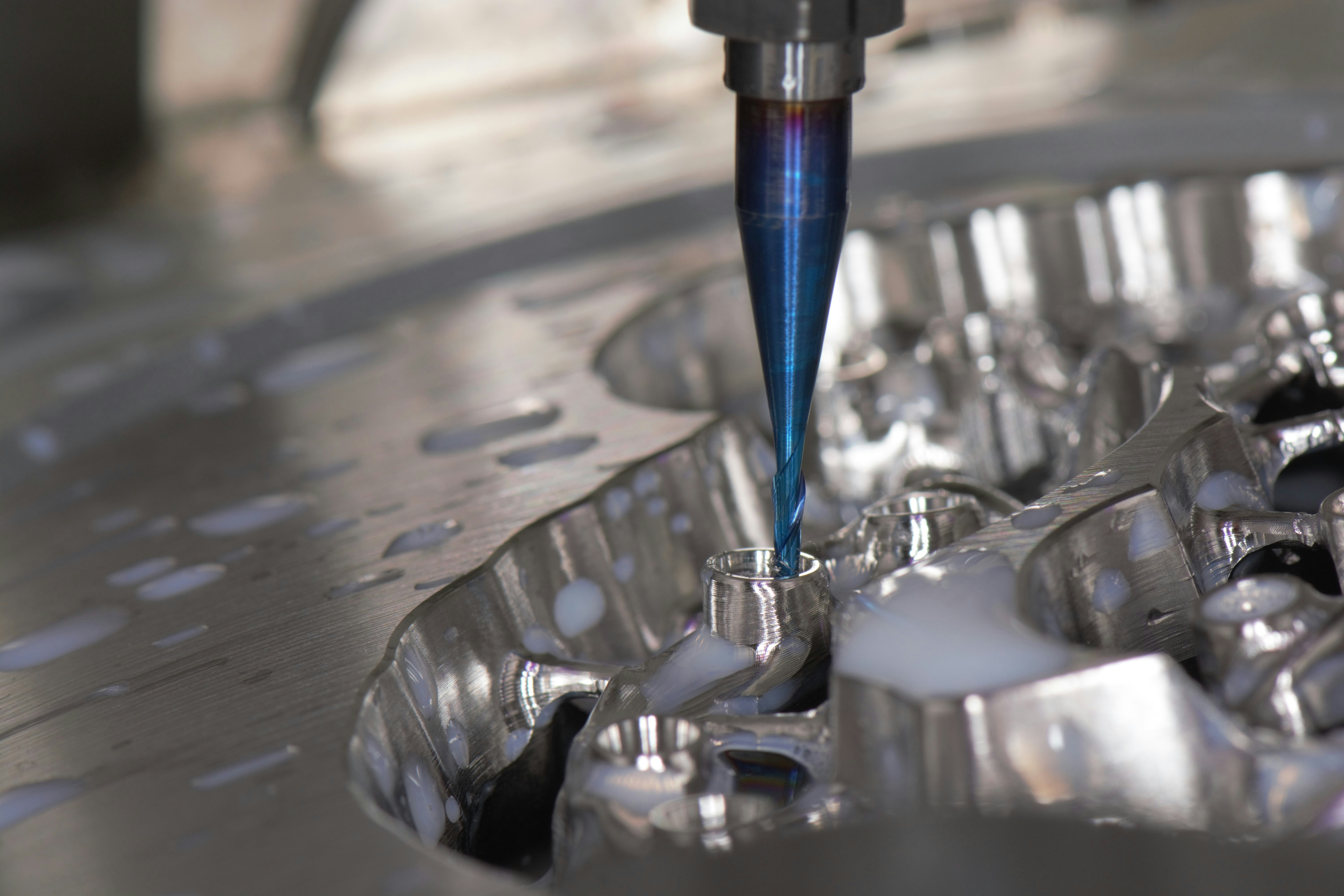
Introduction to Acrylic CNC Machining
Acrylic CNC machining refers to the process of utilizing computer numerically controlled (CNC) machines to cut, shape, and form acrylic materials into precise components and designs. Acrylic, commonly known as polymethyl methacrylate (PMMA), is a versatile thermoplastic with a range of applications in various industries including signage, displays, automotive, and manufacturing sectors. The use of CNC technology in working with acrylic allows for highly detailed and intricate features that would be challenging to achieve with traditional machining techniques such as manual cutting or milling.
One of the primary distinctions between acrylic CNC machining and traditional methods is the level of automation and precision afforded by CNC technology. In CNC machining, pre-programmed software drives the cutting tools to operate with high accuracy, effectively minimizing human error and enhancing production rates. This contrasts with manual methods, where the skill of the operator can significantly influence the outcome. Furthermore, CNC machines can handle complex geometries and repetitive designs with ease, making them particularly suited for high-volume production runs.
The advantages of working with acrylic materials in CNC applications are numerous. Acrylic is known for its exceptional optical clarity, durability, and resistance to UV light, which makes it an ideal choice for outdoor applications. Additionally, acrylic can be easily colored and is available in various thicknesses, allowing for increased flexibility in design. Its lightweight nature combined with excellent machinability makes acrylic an optimal candidate for products that require both structural integrity and aesthetic appeal. As industries seek innovative solutions, the demand for acrylic CNC machining continues to rise, positioning it as a critical element in modern manufacturing processes.
Understanding Acrylic: Properties and Types
Acrylic, also known as polymethyl methacrylate (PMMA), is a versatile thermoplastic material that is widely used in various industries due to its unique properties. One of the most notable attributes of acrylic is its durability; it is significantly more impact-resistant than glass while maintaining a similar clarity. This makes it an ideal choice for applications where transparency and strength are crucial, such as in protective shields or display cases.
In addition to its durability, acrylic is renowned for its excellent transparency, boasting light transmission rates of up to 92%. This property makes acrylic a preferred material for optical applications such as lenses, light covers, and signage. Furthermore, acrylic is available in a variety of colors and finishes, ranging from clear and tinted to frosted and textured, allowing for creative flexibility across different projects.
Acrylic machining can be categorized into two primary types: cast and extruded acrylic. Cast acrylic is created by pouring liquid PMMA into a mold, which is then hardened to form sheets. This type is known for its exceptional clarity and is often used in displays and high-quality visual applications. In contrast, extruded acrylic is formed by forcing the molten material through a die, resulting in sheets that are generally less expensive and easier to fabricate. Although extruded acrylic may lack the clarity of its cast counterpart, it is still suitable for many applications such as signage and model making.
Understanding the properties of acrylic and the differences between cast and extruded types is essential when considering CNC machining. Each type’s unique characteristics can significantly influence the machining process, affecting factors such as cut quality, machining speed, and the types of finishes that can be achieved. By selecting the appropriate acrylic type for specific applications, manufacturers can optimize their CNC machining processes, ensuring higher quality outcomes and operational efficiency.
The CNC Machining Process Explained
CNC machining is a sophisticated manufacturing process that involves translating digital designs into tangible parts through a series of key stages. The first stage in this process is the design phase, during which engineers or designers create a detailed digital model of the part to be produced. This model is typically generated using Computer-Aided Design (CAD) software, which allows for precise details and specifications to be incorporated into the design.
Once the design is finalized, the next step involves setting up the CNC machine. This includes selecting the appropriate tools and materials, in this case, acrylic, which is known for its versatility and various applications. The machine needs to be properly calibrated according to the specifications laid out in the design. The software that drives the CNC machine plays a pivotal role in this phase as it generates tool path instructions based on the digital model. These instructions dictate how the CNC machine will move, how fast it will cut, and what depth it will reach into the acrylic material.
The execution phase is where the actual machining occurs. The CNC machine follows the pre-programmed instructions to cut, mill, or engrave the acrylic material, transforming the digital design into a real-world product. During this phase, precision and accuracy are crucial, as any miscalculation can lead to defects in the final part. Additionally, the CNC machines operate with a high level of automation, reducing the potential for human error and increasing efficiency. This precision is one of the reasons why CNC machining is favored in industries requiring intricate designs and high-quality finishes.
Overall, the CNC machining process is a seamless integration of design, setup, and execution, where the collaboration of software and hardware creates high-quality acrylic components. Understanding this multi-step process provides valuable insight into the sophisticated technology that underlies modern manufacturing. Through meticulous planning and advanced machinery, the world of CNC machining continues to evolve, meeting the demands of various industries effectively.
Choosing the Right CNC Machine for Acrylic
Selecting the appropriate CNC machine for acrylic machining is crucial for achieving optimal results. The choice largely depends on the specific requirements of your project, including material thickness and the desired finish. Primarily, there are three types of CNC machines that are well-suited for machining acrylic: routers, laser cutters, and mills.
Firstly, CNC routers are a popular option for working with acrylic due to their versatility and ability to handle various thicknesses. They efficiently cut, engrave, and carve acrylic sheets, making them ideal for projects that require intricate designs or detailed finishes. When choosing a CNC router for acrylic, one should also consider spindle speed and bit types, as these can significantly affect the quality of the cut and minimize the risk of melting the material.
Secondly, laser cutters serve as a powerful alternative for acrylic machining. They excel at providing clean edges and intricate designs, making them suitable for applications such as signage or decorative pieces. The thickness of the acrylic you want to cut will influence the power and speed settings of the laser cutter. Additionally, it is crucial to use a machine equipped with a suitable lens to focus the laser beam effectively, enhancing the overall cutting process.
Lastly, CNC mills are another option for machining acrylic, typically used for heavier industrial applications. These machines offer high precision and can achieve complex geometries, although they may require more setup time. When choosing a CNC mill, it is essential to factor in the maximum material thickness it can accommodate and the type of tooling that will be utilized.
In conclusion, understanding the differences among CNC routers, laser cutters, and mills is essential for selecting the right machine for your acrylic projects. By considering your specific machining needs and project requirements, you can make an informed decision that will lead to successful outcomes in acrylic machining.
Best Practices for Machining Acrylic
Machining acrylic requires a meticulous approach to ensure optimal results and reduce issues such as chipping and melting. One of the fundamental best practices is to select the appropriate tooling. Using sharp, high-speed steel (HSS) or carbide tools specifically designed for acrylic is essential. These tools should be kept clean and regularly inspected for wear. A well-maintained tool will produce cleaner cuts and minimize the risk of damaging the acrylic material.
Another critical factor in achieving high-quality machining results is managing feed rates. When machining acrylic, it is important to use a moderate feed rate to allow the tool to remove material efficiently while reducing friction heat. A feed rate that is too slow can lead to overheating and melting, while a rate that is too fast may cause chipping and rough edges. Generally, a feed rate of 100-200 inches per minute (IPM) is recommended, but this may vary based on the machine and tooling used.
Additionally, cutting speeds play a vital role in the machining process. For acrylic, a spindle speed between 10,000 and 20,000 RPM is typically effective. Higher speeds can enhance the cutting performance and edge quality, but caution should be exercised to prevent overheating, which can lead to material distortion. It’s also advisable to employ techniques such as using coolant or compressed air to dissipate heat during the machining process. This not only helps maintain a consistent work temperature but also clears chips from the cutting area, promoting a smoother operation and a better finish.
Lastly, ensuring proper clamping of acrylic sheets is essential to prevent movement during machining. Using vacuum tables or clamps designed for acrylic can enhance stability and consistency. By following these best practices, machinists can produce parts with clean cuts and impeccable finishes, thereby improving the overall quality of their acrylic components.
Common Challenges and How to Overcome Them
Acrylic CNC machining presents unique challenges that can impede the success of a project. Understanding these issues and employing practical solutions is essential for achieving optimal results. One of the most prevalent challenges is material warping. Acrylic is known to expand and contract with temperature changes. To mitigate this issue, it is advisable to maintain consistent temperature conditions in the machining environment. Additionally, using a steady pace during machining assists in reducing thermal stress, thereby minimizing warping. Proper material handling is equally important; keeping acrylic sheets flat and avoiding unnecessary bending can significantly decrease the likelihood of warping.
Tool wear is another challenge that machinists frequently encounter. Acrylic is a relatively soft material, and ensuring the right cutting tools are used can greatly enhance machining efficiency and tool longevity. Using high-speed steel (HSS) or carbide tools specifically designed for plastics can result in cleaner cuts and less wear. Regularly inspecting and replacing tools at the first sign of wear will help maintain machining quality and reduce the occurrence of defects.
Surface finish quality also poses a significant challenge during the CNC machining of acrylic. A rough finish can detract from the visual appeal of the final product. To achieve a superior surface finish, the appropriate cutting speed, feed rate, and tool path are crucial. Employing a slower feed rate while using sharp tools can yield smoother surfaces. Furthermore, post-machining processes, such as sanding or polishing, should be implemented to enhance the aesthetic attributes of the finished acrylic components.
Addressing these common challenges—material warping, tool wear, and surface finish issues—through practical strategies ensures that both amateur and professional machinists can improve their acrylic CNC machining processes, leading to better outcomes and increased satisfaction with the final products.
Applications of Acrylic CNC Machining
Acrylic CNC machining has become a popular process across various industries due to its adaptability and aesthetic appeal. One prominent application is in the signage industry. Businesses utilize acrylic CNC machining to produce eye-catching signs that can withstand outdoor conditions and provide clarity and vibrancy. The precision of CNC machining allows for intricate designs and lettering that enhance brand visibility. For example, an acrylic sign with illuminated edges can dramatically improve a storefront’s appearance, attracting more customers and standing out in busy environments.
Beyond signage, the capabilities of acrylic CNC machining extend to displays and exhibits. Retailers and event planners often leverage this technique to create custom display cases, shelves, and product stands that showcase merchandise effectively. The lightweight yet durable nature of acrylic makes it an ideal choice for trade shows and exhibitions. Companies such as IKEA have utilized acrylic displays in their showrooms to enhance product presentation while maintaining a sleek design aesthetic.
Additionally, acrylic CNC machining plays a vital role in furniture design. Innovative furniture manufacturers utilize CNC technology to craft custom pieces tailored to specific customer needs. This includes tables, chairs, and decorative items that combine functionality with modern aesthetics. For instance, a custom acrylic table can serve as both a centerpiece and a functional workspace, with CNC machining ensuring precision cuts and seamless finishes.
Prototyping is another significant application of acrylic CNC machining. Designers and engineers experiment with various shapes and structures using acrylic to create prototypes that help visualize concepts before mass production. This method allows for rapid adjustments and fine-tuning, saving time and resources during the development phase. Many tech startups use acrylic prototypes to test product designs for consumer feedback, illustrating the material’s versatility.
In summary, acrylic CNC machining is instrumental in diverse applications ranging from signage and displays to custom furniture and prototypes. Its versatility not only enhances aesthetic appeal but also facilitates intricate designs, making it an essential process in modern manufacturing practices.
Safety Considerations in CNC Machining
Safety plays a crucial role in the CNC machining environment, especially when working with materials like acrylic. The process, while highly efficient and precise, presents specific risks that necessitate stringent safety measures. One of the foremost considerations is the provision of adequate eye protection. Acrylic is known to shatter under certain conditions, and flying debris can pose a significant hazard to the eyes. It is advisable to use safety goggles or face shields that meet established safety standards to protect against potential injuries.
Proper ventilation is another vital aspect of safety in acrylic CNC machining. When acrylic is machined, it can release harmful fumes that may affect both the air quality and the health of the operator. Utilizing a CNC machine in a well-ventilated space or employing localized exhaust systems ensures that airborne contaminants are minimized. Air filtration systems can also serve as an effective countermeasure by trapping particulate matter and volatile organic compounds, making the work environment safer for everyone involved.
The handling of acrylic materials necessitates a set of guidelines to maintain safety. Operators should be trained in the correct handling techniques to prevent accidents during loading, unloading, and storage. This includes using appropriate lifting techniques and ensuring that materials are stored securely to avoid slips and accidents. Additionally, regular maintenance of the CNC machinery itself is essential; this includes keeping the cutting tools sharp and ensuring that safety guards are in place. By fostering a culture of safety and adhering to these guidelines, operators can significantly reduce the risks associated with acrylic CNC machining and create a safe working environment.
Conclusion and Future Trends in Acrylic CNC Machining
Throughout this guide, we have examined the various aspects of acrylic CNC machining, highlighting its advantages, challenges, and applications. Acrylic, known for its optical clarity and versatility, has emerged as a popular choice in various industries, thanks to its machinability and aesthetic appeal. CNC machining technology has enabled manufacturers to achieve precise shapes and intricate designs, making it essential for applications ranging from signage to intricate artistic pieces.
Looking ahead, the future of acrylic CNC machining appears promising, with several emerging technologies expected to reshape the landscape. Advancements in software and control systems, such as improved CAD/CAM integration, are streamlining the design process. These developments not only enhance productivity but allow for more complex geometries that were previously challenging to achieve. Furthermore, the integration of artificial intelligence in CNC machining could lead to innovations in manufacturing efficiency and precision.
Material advancements also play a crucial role in the future of acrylic machining. The development of new acrylic formulations, such as those with enhanced durability and impact resistance, could expand the applications of CNC machining. Additionally, ongoing research into biocompatible and environmentally friendly alternatives may lead to a shift in how materials are sourced and utilized, aligning the industry with sustainable practices.
As CNC machining technology continues to evolve, we can anticipate exciting changes within the acrylic sector. Greater automation, improved precision, and new machining techniques are expected to increase the efficiency of production processes while maintaining the high standards of quality required by manufacturers and consumers alike. Therefore, staying informed about these trends will be essential for businesses aiming to leverage acrylic machining for future projects.