
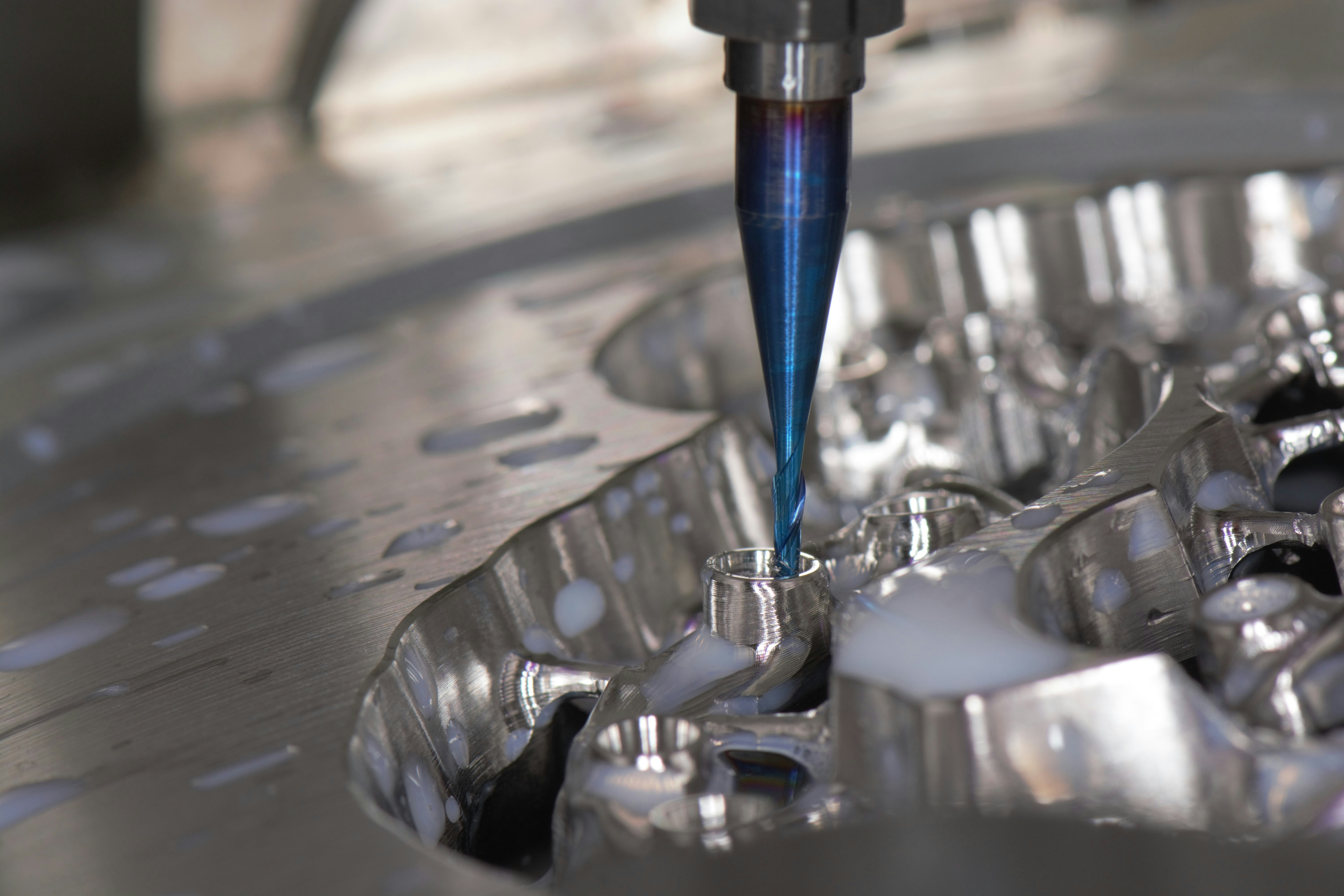
Introduction to CNC Machining in Healthcare
CNC (Computer Numerical Control) machining represents a revolutionary leap in manufacturing technology, especially within the healthcare sector. This automated process involves the use of computers to control machine tools like lathes, mills, and 3D printers, enabling the precise shaping and fabrication of various materials. In the medical industry, where the stakes are exceptionally high, the significance of CNC machining cannot be overstated. The need for precision and reliability in the production of medical components, such as implants, prosthetics, and surgical instruments, is a critical concern that CNC technology effectively addresses.
Historically, the manufacturing of medical parts was labor-intensive and often prone to human error, leading to inconsistencies in quality and performance. The introduction of CNC machining has transformed this landscape by ensuring that each component produced meets stringent specifications. The accuracy afforded by CNC technology minimizes tolerances to the micrometer level, which is essential for parts that interact directly with human anatomy. Furthermore, CNC machines can produce complex geometries that are often required in advanced medical devices, improving functionality and patient outcomes.
As healthcare demands evolve and become increasingly sophisticated, the role of CNC machining continues to expand. The ability to rapidly prototype and mass-produce components makes CNC machining not only a time-efficient solution but also a cost-effective one. This capability is particularly vital in scenarios where custom fittings or specialized designs are necessary. From the development of custom dental implants to intricate surgical instruments, CNC machining has established itself as an indispensable process in the realm of healthcare manufacturing.
Benefits of CNC Machined Medical Parts
CNC machining has emerged as a pivotal technology within the medical industry, providing numerous benefits that enhance the production of medical parts. One of the most significant advantages is enhanced precision. CNC machines are capable of producing intricate components with high accuracy, which is critical in applications such as surgical instruments, prostheses, and implants. This level of precision ensures compatibility and functionality, which are essential for effective patient treatment.
Moreover, CNC machining significantly reduces lead times compared to traditional manufacturing methods. Automated processes enable rapid prototyping and short production runs, allowing healthcare providers to respond swiftly to evolving needs and emergencies. This efficiency not only supports timely treatments but also allows medical institutions to maintain a continuous supply of essential components, mitigating the risk of shortages.
The cost-effectiveness of CNC machining is another vital benefit. While the initial investment in CNC technology can be substantial, the long-term savings achieved through reduced waste and decreased labor costs make it an attractive option. The automation of processes leads to fewer man-hours required for production and minimized errors, further driving down costs associated with rework and scrap material.
Additionally, CNC machining provides the capability to manufacture complex designs that might be challenging or impossible with traditional methods. This flexibility allows medical engineers to innovate and develop sophisticated products that can enhance treatment efficacy. Furthermore, the precise and repeatable nature of CNC machining contributes to improved patient safety by ensuring that each part meets stringent quality standards, ultimately leading to better treatment outcomes.
As the medical industry evolves, the benefits of CNC machined medical parts continue to underscore the significance of this technology in enhancing the overall quality of healthcare delivery.
Common CNC-Machined Medical Parts
CNC machining has become an essential process in the medical industry for producing a wide variety of precision parts. The ability to create intricate designs with high accuracy is fundamental for medical applications, where the consequences of deviations can be critical. Below are several common types of medical parts that are manufactured using CNC machining.
One prevalent category of CNC-machined medical parts is surgical instruments. These instruments, including scalpels, forceps, and clamps, require exceptional precision and sharpness. CNC machining allows for the creation of complex geometries that ensure ergonomics, functionality, and cleanliness, which are paramount in surgical settings. Additionally, materials used for these instruments, such as stainless steel or titanium, can be adequately managed through CNC processes to ensure durability and hygiene.
Another notable application is in the production of prosthetics. Custom prosthetic limbs and components are often developed using CNC machining, which provides the ability to create personalized and lightweight solutions tailored to individual patients. This level of customization is critical for enhancing user comfort and enabling better mobility, thus improving the quality of life for those with limb loss.
Implants are also commonly produced through CNC machining. Dental implants, joint replacements, and spinal fixtures must adhere to specific dimensions and tolerances to ensure proper fit and function within the human body. CNC machining excels in producing these parts with high precision, ensuring compatibility with biological tissues and reducing the likelihood of implant failure.
Finally, diagnostic equipment components, such as housings for imaging devices and sample processing tools, can be effectively created using CNC machining. The precision required in these components guarantees that medical professionals can deliver accurate diagnoses and treatments. Overall, the various types of CNC-machined medical parts exemplify the technology’s capability to meet the stringent requirements of the healthcare industry.
Materials Used in CNC Machining for Medical Parts
CNC machining has revolutionized the production of medical components by allowing for precise fabrication of parts using a variety of materials that are crucial for ensuring safety and efficacy in healthcare applications. One of the primary types of materials employed in CNC machining for medical parts is biocompatible metals. Titanium and stainless steel are particularly favored due to their strength, resistance to corrosion, and excellent biocompatibility, which minimizes the risk of adverse reactions in patients. Titanium, in particular, is widely used in orthopedic implants and dental applications because of its remarkable ability to fuse with bone over time, promoting healing and stability.
In addition to metals, various plastics are extensively utilized in the CNC machining process. Polymers such as polyether ether ketone (PEEK) and polyethylene are known for their lightweight properties, chemical resistance, and durability. PEEK is often employed in load-bearing medical devices, while polyethylene is commonly found in surgical instruments and device housings. These plastics can provide a balance between usability and patient safety, as many are designed to minimize the likelihood of toxicity.
Moreover, composites are emerging as versatile materials in the CNC machining of medical parts. These materials, which combine two or more distinct substances, can offer enhanced mechanical properties tailored to specific applications. For instance, carbon fiber composites provide excellent strength-to-weight ratios, making them suitable for lightweight structural components in medical devices. Overall, the selection of materials for CNC machining is paramount to ensuring the performance and safety of medical devices. Careful consideration must be given to the intended use, regulatory requirements, and the potential impacts of materials on patient health, thereby underscoring the importance of choosing suitable materials for medical applications.
Technology and Equipment in CNC Machining
CNC machining has revolutionized the manufacturing landscape in the medical industry, providing precision and efficiency that are indispensable for producing intricate medical parts. At the forefront of this transformation are the various types of CNC machines, primarily mills and lathes. CNC mills are particularly important, as they utilize rotary cutting tools to remove material from a workpiece. This capability allows for the creation of complex geometries crucial in medical applications, such as implantable devices and surgical instruments. Meanwhile, CNC lathes play a significant role in producing cylindrical components such as rods or tubes, often utilized in orthopedic and cardiovascular devices.
Alongside advanced machinery, specialized software plays a vital role in the design and production processes. Software solutions like Computer-Aided Design (CAD) and Computer-Aided Manufacturing (CAM) facilitate the creation of detailed models and streamline the transition from design to manufacturing. CAD enables engineers to visualize part specifications and refine them to meet stringent medical standards before production begins. CAM, on the other hand, translates these designs into the machine code that guides the CNC machines in executing precision cuts, thereby ensuring accuracy in every component produced.
Furthermore, automation and robotics have become integral to enhancing efficiency within CNC machining. Automation frameworks enable machines to operate continuously with minimal human intervention, which reduces the potential for errors and increases throughput. Robotics can be utilized for tasks such as loading and unloading parts, performing quality checks, and executing secondary operations including polishing or assembly. The combination of state-of-the-art CNC technology, sophisticated design software, and advanced automation techniques collectively elevates the standards of manufacturing in the medical sector, ultimately leading to better patient outcomes through high-quality precision parts.
Quality Control in CNC Machining of Medical Parts
In the medical industry, the precision and reliability of machined components are paramount due to their critical role in healthcare applications. Quality control in CNC machining is essential to ensure that medical parts meet stringent specifications and functional requirements. The implementation of robust quality assurance protocols helps to mitigate risks associated with manufacturing defects, ultimately ensuring patient safety and compliance with regulatory standards.
One of the foremost protocols employed in the quality control process is meticulous inspection methods. These methods range from visual examinations to advanced techniques like coordinate measuring machines (CMMs) and optical comparators. By utilizing precise measurement tools, manufacturers can ascertain that the dimensions and tolerances of the parts fall within the designated specifications. Furthermore, statistical process control (SPC) can be applied to monitor the machining process in real-time, allowing for prompt corrective actions to prevent deviations from quality norms.
Testing for biocompatibility is another critical aspect of quality control in CNC machining for medical components. Given that many parts will contact bodily fluids or become implanted, stringent tests are conducted to determine the materials’ compatibility with human tissue. This includes assessing exposure to various biological environments to gauge any adverse reactions. Manufacturers must adhere to international standards such as ISO 10993, which outlines the evaluation of medical devices for biological risk, thereby ensuring that parts produced are safe for their intended application.
Compliance with regulatory standards is non-negotiable in the CNC machining of medical devices. Manufacturers must remain informed of the relevant guidelines set forth by governing bodies like the FDA or the European Medicines Agency. These standards dictate not only the quality of the machined parts but also the processes and documentation required to validate them. By prioritizing quality control through rigorous inspection, biocompatibility testing, and strict adherence to regulations, manufacturers can assure that their CNC machined parts are both reliable and safe for healthcare use.
Future Trends in CNC Machining for the Medical Sector
The future of CNC machining in the medical sector is poised for transformative changes fueled by advancements in technology, notably in the areas of additive manufacturing and the integration of artificial intelligence (AI) and machine learning. These innovations are creating new avenues for improved precision and efficiency in the production of medical devices.
Additive manufacturing, also known as 3D printing, is becoming increasingly significant in the realm of CNC machining. This technology enables the creation of highly customized medical devices that are tailored to meet the specific needs of individual patients. The ability to produce complex geometries that were previously challenging with traditional machining methods offers substantial benefits, particularly for implants and prosthetics. As this trend continues to evolve, we can expect a rise in demand for bespoke solutions that enhance patient outcomes and decrease recovery times.
Moreover, the integration of AI and machine learning within CNC machining processes stands to revolutionize production capabilities. These technologies can analyze vast amounts of data in real-time, optimizing machining parameters and predicting potential failures before they occur. This predictive maintenance can significantly reduce machine downtime and improve overall operational efficiency. Additionally, machine learning algorithms can assist in the design phase, identifying the most effective machining techniques to produce specific medical components, enhancing precision and reducing material waste.
As regulations become more stringent and the need for high-quality medical devices continues to grow, the reliance on sophisticated CNC machining will only increase. The convergence of additive manufacturing, AI, and machine learning not only promises improved accuracy but also a more responsive manufacturing process that can adapt to the fast-paced medical environment. Overall, these trends illustrate a promising future for CNC machining in the medical industry, where precision and customization will play crucial roles in optimizing healthcare solutions.
Challenges and Considerations in CNC Machining of Medical Parts
The manufacturing of medical parts using CNC (Computer Numerical Control) machining presents distinct challenges and considerations that stakeholders must navigate to ensure both compliance and efficiency. One of the foremost issues is regulatory compliance. The medical industry is heavily regulated, demanding that manufacturers adhere to stringent standards set by organizations such as the FDA in the United States and the European Medicines Agency in Europe. Ensuring that CNC machined parts meet these regulations requires careful planning and rigorous quality assurance protocols, which can increase the complexity of the manufacturing process.
Scalability is another important consideration when utilizing CNC machining for medical applications. As demand for healthcare products rises, manufacturers must be able to adapt and scale their operations efficiently. This often requires significant investment in advanced CNC machinery, as well as training personnel to operate these sophisticated tools. Balancing the need for scalability with the intricacies of specialized medical part production can pose a considerable challenge, particularly for smaller manufacturers with limited resources.
Cost management also plays a critical role in the CNC machining of medical parts. While CNC technology can offer precision and intricacy, the cost of these advanced machines and the materials used can be substantial. Manufacturers must strike a balance between maintaining high-quality standards and controlling production costs to remain competitive in the market. Additionally, as medical technology evolves, ongoing innovation is essential. Companies need to invest in research and development to adapt their machining processes to accommodate new materials and specifications that arise in the healthcare industry.
Overall, addressing these challenges requires a strategic approach to manage regulatory compliance, production scalability, cost considerations, and the potential for innovation, thus ensuring that CNC machining continues to deliver high-quality medical parts efficiently and effectively.
Conclusion and Future Outlook
The evolution of CNC machining within the medical industry represents a significant milestone in the production of precision parts, which are crucial for various healthcare applications. The ability of CNC technology to create intricate components with unparalleled accuracy has revolutionized the design and manufacturing processes of medical devices. This technology not only enhances the quality of healthcare products but also ensures compliance with stringent regulations that govern the medical field. As highlighted throughout this blog post, the integration of advanced CNC machining techniques supports the development of custom solutions tailored to the specific needs of patients and medical professionals alike.
Looking forward, the future of CNC machining in the medical industry appears promising. Continuous advancements in machinery and software will likely lead to even greater efficiencies in the production of medical components. Innovations such as intelligent automation, real-time monitoring, and additive manufacturing are expected to enhance the capabilities of CNC machining, allowing for faster production times and reduced costs. Furthermore, by incorporating cutting-edge materials and biocompatible options into the manufacturing process, healthcare providers can further improve patient outcomes.
It is essential for manufacturers and stakeholders in the medical sector to prioritize investment in research and development initiatives that focus on refining CNC machining methods. By fostering a culture of innovation and embracing technological advancements, the medical industry can continue to push the boundaries of what is possible in healthcare. Additionally, collaboration between engineers, healthcare providers, and regulatory bodies will play a vital role in ensuring that CNC machining evolves in ways that prioritize safety and efficacy.
In essence, CNC machining will remain a cornerstone in the progression of the medical industry, underscoring the importance of high-quality part production for the future of healthcare innovations.
**mitolyn official**
Mitolyn is a carefully developed, plant-based formula created to help support metabolic efficiency and encourage healthy, lasting weight management.