
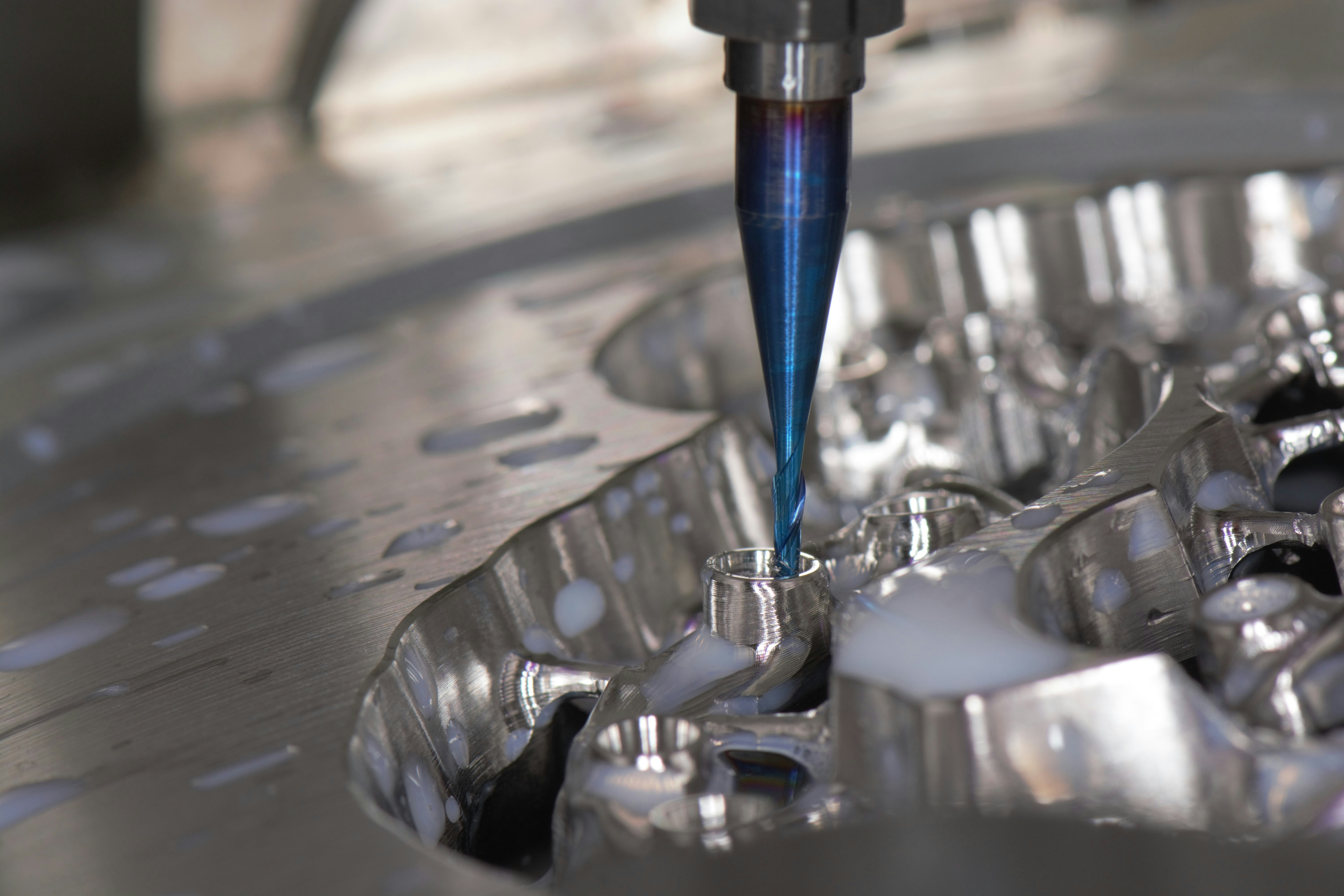
Introduction to CNC Machining
CNC machining, or Computer Numerical Control machining, represents a transformative technology within the manufacturing sector, which automates the control of machine tools through a computer. The term “CNC” refers to the method whereby a computer interprets a computer-aided design (CAD) file, translating it into precise movements for machines like lathes, mills, and routers. This process allows for high levels of accuracy and efficiency, making it a preferred method in various industries.
The roots of CNC machining can be traced back to the 1940s and 1950s when the first numerical control machines were developed using punched tape programs. Over the years, advancements in computer technology have led to the evolution of conventional machining methods into modern CNC systems. This transition to computer-based control has made manufacturing processes more streamlined, reducing errors and waste while increasing production rates.
In recent decades, CNC machining has gained immense popularity across multiple sectors, primarily due to its capability to produce complex and intricate shapes with high precision. The medical field, in particular, has greatly benefited from these developments. CNC technology enables manufacturers to create precise components such as surgical instruments, implants, and prosthetics, where accuracy is paramount. By facilitating design flexibility and consistency in production, CNC machining supports innovation in medical equipment, ultimately enhancing patient care.
Moreover, the integration of CNC machining with modern technologies, including automation and artificial intelligence, continues to further revolutionize the landscape of manufacturing. These advancements not only contribute to reduced labor costs but also improve the quality of end products. As we delve deeper into CNC machining’s critical role in the production of medical parts, it is essential to recognize how this technology has not only optimized manufacturing processes but has also played an integral part in shaping the future of medical solutions.
Understanding Medical Parts and Their Applications
The production of medical parts is a critical aspect of healthcare advancement, involving components that must adhere to rigorous standards for functionality and safety. One of the key processes used in the manufacture of these components is CNC machining, which allows for high precision and repeatability in creating complex geometries. Within the vast realm of medical applications, several types of parts are produced through this technology, including surgical instruments, prosthetics, and implants.
Surgical instruments, such as scalpels, forceps, and laparoscopic tools, greatly benefit from CNC machining due to the need for precision and sharpness. These instruments are made from materials that provide durability and resistance to corrosion, ensuring they can withstand repeated sterilization processes while maintaining performance. The ability of CNC machines to maintain tight tolerances ensures that each instrument will perform reliably during surgeries, a critical factor for patient safety.
Prosthetics and orthotic devices also showcase the essential role of CNC machining in the healthcare sector. These devices must not only be tailored to the individual anatomy of patients but also be lightweight and comfortable for everyday use. CNC machines can create intricately designed components that conform to the exact specifications required for each user, promoting better integration and enhancing overall effectiveness. The customization possible through CNC machining also allows for a range of materials to be utilized, including specialized plastics and lightweight alloys.
Lastly, implants such as orthopedic screws or dental fixtures are produced using CNC techniques, requiring a stringent focus on biocompatibility and sterility. The materials chosen must not elicit any adverse reactions within the body since these implants often remain permanently or semi-permanently in patients. CNC machining ensures that these components not only fit perfectly within the anatomical site but also meet the demanding requirements for longevity and stability. Through the advances in CNC machining, the healthcare industry continues to innovate in creating safer and more effective medical parts for patient care.
Benefits of CNC Machining in Medical Manufacturing
CNC machining has revolutionized the production of medical parts, bringing forth numerous advantages that contribute significantly to the manufacturing sector. One of the primary benefits of CNC machining is its ability to deliver enhanced accuracy. CNC machines operate through computer numerical control, which allows them to execute precise movements and cuts with minimal human intervention. This precision is crucial in the medical field, where even the smallest error can have serious implications for patient safety and device functionality.
Uniformity is another significant advantage offered by CNC machining. Unlike traditional manufacturing methods, CNC machines can replicate designs with impeccable consistency. This uniformity ensures that each medical part produced is of the same high quality, which is essential for meeting the stringent requirements of medical device regulations. By maintaining consistent specifications across multiple productions, manufacturers can ensure compliance with industry standards and boost overall confidence in their products.
Additionally, CNC machining enhances efficiency throughout the production process. The automation of machining reduces production times significantly, allowing manufacturers to fulfill orders swiftly and respond promptly to market demands. Fast production cycles not only increase throughput but also help reduce manufacturing costs, making it easier for companies to provide competitive pricing without sacrificing quality.
Moreover, the versatility of CNC machining enables the production of a wide range of medical components, from intricate surgical instruments to durable prosthetics. This adaptability allows manufacturers to innovate continuously in the development of medical technologies. By leveraging advanced materials and complex geometries often necessary for modern medical applications, CNC machining paves the way for the creation of cutting-edge solutions in patient care, ultimately improving treatment outcomes.
Materials Used in CNC Machining for Medical Parts
The choice of materials in CNC machining for medical parts is crucial, as the quality and performance of medical devices often depend on the materials utilized. Various metals and polymers are employed in this specialized field, each selected for their unique properties and advantages in medical applications.
Metals such as titanium and stainless steel are commonly used in CNC machining for medical components. Titanium is particularly favored due to its exceptional strength-to-weight ratio, biocompatibility, and corrosion resistance. These properties make titanium an ideal choice for implants and surgical instruments, where durability and safety are paramount. Additionally, titanium exhibits resistance to bodily fluids, reducing the risk of adverse reactions within the human body.
Stainless steel, another prevalent metal in CNC machining, is known for its mechanical strength, antibacterial properties, and ease of sterilization. Its robustness makes it suitable for devices that undergo significant stress during use, such as surgical tools and orthopedic implants. The availability of various stainless steel grades, including 316L and 304, allows manufacturers to tailor their selection based on specific requirements pertaining to strength and corrosion resistance.
In addition to metals, plastic polymers and composites are increasingly used in the production of medical parts. Thermoplastics such as polycarbonate and polyether ether ketone (PEEK) are particularly advantageous due to their lightweight nature, high strength, and excellent biocompatibility. These materials are often employed in applications where flexibility and durability are needed, including prosthetics and custom surgeries. Composites, which combine different materials to achieve superior qualities, are also becoming more popular in CNC machining, offering enhanced performance and reduced weight for various medical devices.
Overall, the utilization of diverse materials in CNC machining for medical applications ensures that the resulting parts meet the stringent demands of healthcare environments while maintaining the efficacy and safety of medical treatments.
The CNC Machining Process: Step by Step
The CNC machining process is a critical sequence that transforms raw materials into precise medical components. This process begins with the design stage, where engineers utilize Computer-Aided Design (CAD) software to create detailed schematics of the parts. CAD allows for meticulous detailing and ensures that every measurement adheres to the required specifications, which is paramount in the medical field where accuracy is imperative.
Once the CAD design is finalized, the next step involves selecting appropriate materials. The choice of material is crucial, particularly in medical applications, as it must meet stringent regulatory standards and possess properties suited for the intended use. Common materials include stainless steel, aluminum, and various plastics, chosen based on factors like biocompatibility, strength, and corrosion resistance.
After material selection, the design must be converted into a program that the CNC machine can understand. This is accomplished through CAM (Computer-Aided Manufacturing) software, which translates the CAD drawings into machine code. The programming phase involves defining operational parameters such as cutting speeds, tool paths, and feed rates, ensuring that the machining process aligns with the intricate requirements of medical components.
The final stage in the CNC machining process is the actual machining operation. This step sees the CNC machine execute the programmed instructions, employing various tools for cutting, milling, or drilling the material into the desired shape. The precision of CNC machining is crucial, as any deviation can compromise the integrity and functionality of medical parts. Throughout this stage, quality control measures are implemented to ensure that each piece meets stringent medical standards.
By following these steps, CNC machining plays an essential role in the production of high-quality, reliable medical parts, demonstrating its importance in the healthcare industry.
Quality Control and Standards in Medical CNC Machining
Quality control is paramount in the CNC machining process, particularly when producing components for the medical industry. The demanding nature of medical applications necessitates adherence to stringent regulatory frameworks and standards to ensure that all medical parts meet safety and efficacy expectations. The primary body overseeing these compliance measures is the Food and Drug Administration (FDA), which sets forth regulations that establish the necessary quality assurance processes for medical devices, including those fabricated through CNC machining.
Central to these control measures is the concept of Good Manufacturing Practices (GMP). These guidelines ensure that medical parts are produced consistently and controlled to acceptable quality standards. Compliance with GMP requires manufacturers to engage in rigorous testing protocols at various stages of production. This may involve mechanical testing to assess material integrity, precision measurements to evaluate dimensional accuracy, and biocompatibility assessments to ensure that the materials used do not adversely react within the human body.
Certifications serve as vital markers of quality assurance within the CNC machining realm. ISO 13485 is one of the key certifications specifically related to medical devices, signifying that a manufacturer has implemented a comprehensive quality management system. This certification consists of processes that properly capture, analyze, and address risks associated with medical parts production. Moreover, conformity to ASTM standards may also be required, depending on the materials involved. Through stringent adherence to these quality control processes and standards, the likelihood of failure or complications in medical devices is substantially reduced, fostering trust between manufacturers and healthcare providers.
The medical sector’s rigorous quality control stipulations highlight the importance of precision and reliability in CNC machining processes. By ensuring compliance with established regulations and maintaining high standards, manufacturers can significantly contribute to patient safety and the overall success of medical treatments.
Innovations and Trends in CNC Medical Parts Manufacturing
The field of CNC machining has seen significant innovations that are reshaping medical parts manufacturing. Among these trends, the integration of automation stands out as a game-changer. Automating CNC operations not only increases efficiency but also improves precision in part production. Automated systems reduce human error and facilitate consistent quality control, which is critical in the healthcare industry. By embracing automation, manufacturers can handle complex tasks that require meticulous attention to detail, thereby enhancing production speed and reliability.
Another important advancement is the incorporation of additive manufacturing with traditional CNC machining processes. This hybrid approach allows for greater design freedom and the production of intricate geometries that meet the stringent requirements of medical applications. For instance, additive techniques can produce customized implants or surgical instruments tailored specifically to patient anatomy, which is a noteworthy benefit in personalized medicine. The ability to combine additive processes with CNC machining opens new avenues for creating lightweight yet strong medical devices, which are essential for various surgical applications.
The utilization of artificial intelligence (AI) and machine learning in CNC machining represents another transformative trend in this sector. These technologies contribute to predictive maintenance, where machines can autonomously assess their own performance and predict potential failures before they occur. This proactive approach helps minimize downtime and extends equipment life, ultimately leading to more efficient production cycles. Furthermore, AI algorithms can optimize machining parameters in real-time based on the specifics of the material and design, ensuring the highest quality and fastest turnaround times for medical parts.
As these innovations unfold, it is clear that CNC machining is evolving rapidly, driven by advancements in automation, additive manufacturing, and AI technologies. The ongoing developments not only enhance the capabilities of manufacturers but also contribute to the overall efficacy and safety of medical devices, which ultimately benefit patients and healthcare providers alike.
Challenges in CNC Machining for Medical Applications
The application of CNC machining in the production of medical components presents a variety of challenges that can significantly impact manufacturing efficiency and product quality. One of the foremost challenges is the complexity of intricate designs, which are often required for medical devices. These components must not only fulfill specific functional requirements but also fit within the stringent confines of regulatory standards, requiring advanced machining techniques and skilled operators. The detail-oriented nature of medical applications necessitates a level of precision that may not be achievable with standard machining processes.
Another considerable challenge is the issue of material inconsistencies. The medical field often demands the use of specialized materials, such as biocompatible metals and polymers. Variations in material properties, such as hardness or tensile strength, can affect machining processes, leading to increased wear on tools and the potential for defective parts. This demand for high-quality, consistent materials necessitates rigorous supply chain management and quality assurance protocols. Furthermore, manufacturers must be prepared to adjust their machining parameters to account for these material variances, which may result in additional production time and costs.
Additionally, the rapidly evolving landscape of regulatory compliance presents ongoing challenges for CNC machining in medical applications. Manufacturers must remain vigilant to updates in standards from agencies such as the FDA, which can affect design specifications and production methods. This necessitates continuous training for engineering and production teams to ensure compliance, as well as regular audits and documentation processes. Adapting to these regulatory changes can be resource-intensive and may disrupt established manufacturing workflows if not managed effectively.
Future Outlook for CNC Machining in the Medical Industry
The future of CNC machining within the medical industry appears promising, as the sector continues to evolve in response to increasing demands for precision and efficiency. The integration of advanced technologies, such as automation and artificial intelligence (AI), is expected to drive significant enhancements in CNC machining processes. Automated CNC machining systems can streamline production by reducing the time required for setup and minimizing human error, thus ensuring high-quality outcomes that are critical for medical applications.
Additionally, additive manufacturing, often referred to as 3D printing, is emerging as a complement to traditional CNC machining techniques. This convergence allows for the creation of complex geometries that are increasingly becoming relevant in medical part production. As the industry shifts towards personalized medicine, the ability of CNC machines to produce customized implants and prosthetics will become a competitive advantage. This tailored approach not only enhances patient outcomes but also opens new avenues for innovation in medical technology.
The regulatory landscape will play a pivotal role in shaping the future of CNC machining in the medical sector. As stricter quality standards are imposed, manufacturers must adapt their CNC machining operations to comply with these regulations. This may lead to the implementation of more sophisticated quality management systems and enhanced traceability processes, ensuring that every part produced meets the required safety and efficacy standards.
Furthermore, the global demand for medical devices and parts is projected to rise, driven by an aging population and increasing healthcare needs. This growth presents a significant opportunity for CNC machining facilities to expand their capabilities and invest in emerging technologies. With continuous advancements in materials science, the potential for new metal alloys and biocompatible materials will further elevate the significance of CNC machining in the production of medical components.
In conclusion, the future of CNC machining in the medical industry is bright, characterized by technological advancements and a responsive approach to evolving healthcare demands. Continuous innovation will be crucial for manufacturers to remain competitive and successfully meet the needs of the medical sector.
You bring such a calming energy to the page. Even difficult topics feel more manageable when you’re the one explaining them.
What I admire about your blog is the quiet confidence in your writing. It doesn’t shout, but it always leaves a strong impression.
**mitolyn official**
Mitolyn is a carefully developed, plant-based formula created to help support metabolic efficiency and encourage healthy, lasting weight management.