
Introduction to CNC Machining
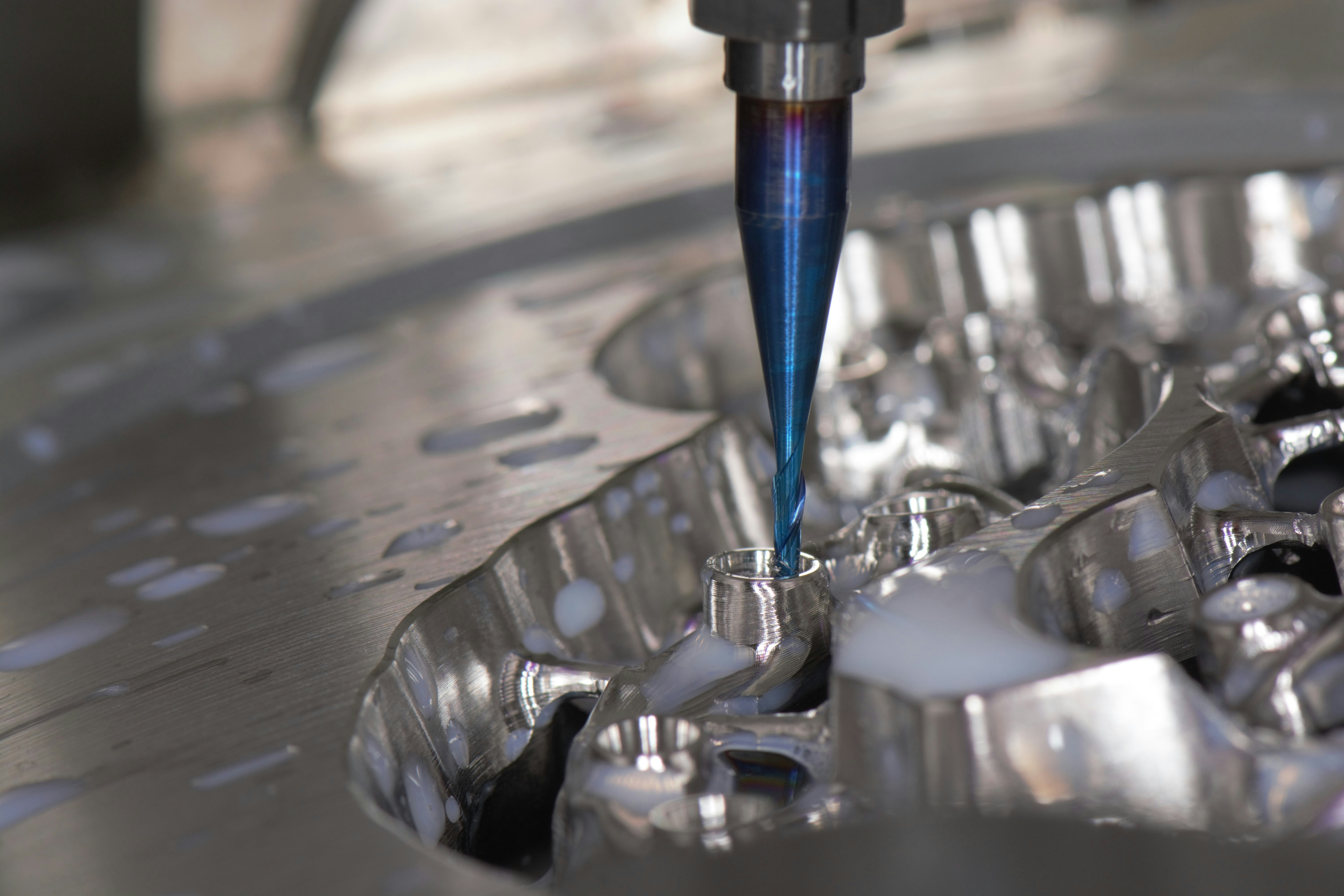
CNC machining, short for Computer Numerical Control machining, represents a significant advancement in the manufacturing sector, transforming how various industries produce components. This technology emerged in the 1950s, initially used to automate the operation of machine tools, which was primarily a manual process. Over the ensuing decades, CNC machining has evolved from basic operations into a sophisticated and versatile method for creating precise components across numerous applications.
The core principle of CNC machining involves converting a computer-aided design (CAD) into a machine-readable format. The computer controls the movement of tools, enabling high precision and repeatability in the manufacturing process. This capability drastically reduces human error, enhances productivity, and allows for complex geometries that would be challenging to achieve with conventional machining techniques.
Historically, CNC technology has roots in the 1940s, with the development of the first numerical control machines, which relied on punch cards for automation. As computer technology advanced, so did the capabilities of CNC systems, allowing manufacturers to integrate complex programming languages and sophisticated software. This transition led to an increase in efficiency and a paradigm shift in manufacturing methodologies.
In addition to its applications in aerospace, electronics, and medical devices, CNC machining has found particular significance in the automotive industry, where precision and quality are paramount. The ability to produce intricate parts quickly and with minimal waste has made CNC machining a vital aspect of automotive manufacturing processes. As the industry continues to emphasize efficiency and innovation, CNC machining remains at the forefront of this evolution, enabling the production of lighter, more robust automotive components.
The Role of CNC Machining in Automotive Manufacturing
CNC machining has emerged as a transformative technology in the automotive manufacturing sector, significantly enhancing the production process. This advanced method of machining utilizes computer numerical control to create intricate parts with precision and efficiency. One of the key applications of CNC machining in automotive manufacturing is in the prototyping phase. Engineers use CNC machines to produce prototypes of automotive parts, allowing for rapid testing and iteration before full-scale production. This not only accelerates the development timeline but also helps identify design flaws early, reducing the associated costs of rectifying issues later in the process.
Another vital application of CNC machining is in the production of complex engine components. Engine parts, such as cylinder heads and crankshafts, require high levels of precision due to their role in engine performance and efficiency. CNC machining allows manufacturers to create these components with tight tolerances, ensuring optimal fit and function. The repeatability of CNC processes further ensures that each part produced meets the exact specifications, which is crucial for maintaining quality control in automotive production.
The ability to produce custom parts is another hallmark of CNC machining that directly benefits the automotive industry. Manufacturers can tailor components to meet specific requirements or modifications, which is particularly advantageous for custom car builds or aftermarket modifications. This flexibility not only meets unique customer demands but also supports innovation within the industry by allowing designers to experiment with new part designs without the need for extensive retooling.
In addition to flexibility and precision, CNC machining significantly enhances manufacturing efficiency. The automation of the machining process reduces human error, decreases production time, and lowers labor costs, all of which contribute to improved profitability for automotive manufacturers. Therefore, the integration of CNC machining in automotive manufacturing is not only revolutionizing production methodologies but is also setting new standards in quality and performance in the automotive sector.
Types of CNC Machines Used in Automotive Parts Production
CNC machining has transformed the automotive industry, providing manufacturers with precise and efficient methods to produce a wide range of components. Various types of CNC machines play crucial roles in this revolution. Among the most commonly used are CNC mills, lathes, routers, and laser cutting machines, each serving distinct purposes and offering unique advantages.
CNC mills are perhaps the most versatile machines in the automotive sector. They function by rotating cutting tools against stationary workpieces to remove material, allowing for intricate shapes and finishes. Utilizing CNC mills, automotive manufacturers can produce components like engine blocks, transmission housings, and complex brackets with high accuracy and repeatability. This precision is pivotal in ensuring the functionality and safety of automotive parts.
Another essential machinery is the CNC lathe, which specializes in turning operations. It rotates the workpiece while the cutting tool moves linearly to shape the material. CNC lathes are particularly adept at creating cylindrical parts, such as shafts, pistons, and wheel hubs, making them indispensable in automotive manufacturing. The efficiency and high-speed capabilities of CNC lathes significantly reduce production time without compromising quality.
CNC routers are commonly employed for cutting and shaping materials like plastics and composites. In the automotive industry, they are utilized for creating lightweight components, supporting the trend towards fuel-efficient vehicles. The ability to work with diverse materials and intricate designs makes CNC routers valuable in prototyping and production environments.
Finally, laser cutting machines offer a non-contact method of cutting materials with high precision. Utilizing concentrated beams of light, these machines are ideal for applications such as detailed engravings on automotive body panels or cutting complex shapes for interiors. Laser cutting is favored for its speed and accuracy, streamlining the fabrication process of various automotive parts.
Materials Used in CNC Machining for Automotive Parts
CNC machining has become an indispensable technology in the automotive industry, offering precision and efficiency in the production of complex components. Various materials are commonly machined using this technology, each bringing unique characteristics and advantages suited for specific applications. Among these materials, metals such as aluminum and steel are prevalent due to their strength, durability, and versatility.
Aluminum is a favored choice in automotive manufacturing, known for being lightweight yet robust. Its excellent machinability allows for intricate designs and tight tolerances, making it ideal for parts such as engine components, transmission cases, and vehicle frames. Additionally, aluminum’s resistance to corrosion enhances the longevity of automotive parts. Steel, another widely used material, is recognized for its high tensile strength and impact resistance. This makes it suitable for high-load applications, including structural components and safety features like chassis and roll cages.
In addition to metals, plastics play a significant role in CNC machining for automotive parts. Materials like polycarbonate and nylon are often utilized due to their lightweight nature, ease of fabrication, and cost-effectiveness. These plastics are particularly advantageous for producing interior components, trim pieces, and housings where weight reduction is essential without compromising functionality. Moreover, advancements in plasto-metal hybrid technologies have led to innovative solutions combining the benefits of both materials in a single component.
Composites, such as carbon fiber-reinforced plastics, are gaining traction within the automotive sector, especially for high-performance applications. These materials offer exceptional strength-to-weight ratios and enhanced stiffness, making them ideal for use in sports cars and electric vehicles. The integration of composite materials into CNC machining processes allows for improved performance attributes while addressing the growing demand for fuel efficiency and reduced emissions.
Benefits of CNC Machining for Automotive Parts
CNC machining plays a pivotal role in revolutionizing the automotive manufacturing industry by offering numerous benefits that enhance operational efficiency and product quality. One of the most significant advantages is the enhanced precision that CNC machines provide. These machines operate by utilizing computer programs to control cutting tools with millimeter-level accuracy, allowing for the production of intricate automotive parts that meet stringent specifications. As a result, components fit perfectly, promoting overall vehicle performance and safety.
Additionally, CNC machining contributes to reduced material waste. Traditional manufacturing methods often involve excessive cutting and shaping, leading to a higher volume of discarded material. In contrast, CNC machines employ a subtractive manufacturing process that optimizes material usage, thereby minimizing waste. Moreover, as manufacturers shift towards sustainable practices, reducing material waste aligns seamlessly with environmental objectives, making CNC machining an attractive option.
Shorter lead times are another important benefit of CNC machining in the automotive sector. The automation involved in CNC processes allows for quicker turnaround times for production runs. This acceleration ensures that manufacturers can respond swiftly to market demands, reducing the time from design to finished product. For instance, companies utilizing CNC machining have reported significant reductions in lead time, enabling them to launch new vehicles more rapidly, which is critical in the fast-evolving automotive market.
Lower labor costs also emerge as a noteworthy benefit. With CNC machines operating autonomously with minimal human intervention, manufacturers can reduce labor expenses while reallocating skilled workers to more strategic tasks. Consequently, this technological advancement not only leads to cost efficiency but also enhances overall productivity within the automotive industry.
In summary, the advantages of CNC machining—precision, reduced waste, shorter lead times, and lower labor costs—underscore its transformative impact on the manufacturing of automotive parts, paving the way for a more efficient and sustainable industry.
Challenges Faced in CNC Machining for Automotive Parts
CNC machining has become a cornerstone in the production of automotive parts, enabling manufacturers to achieve precision and efficiency. However, the implementation of CNC technology is not without its challenges. One significant hurdle is the high initial investment costs associated with acquiring CNC machines and the necessary software. This upfront expenditure can be daunting, particularly for smaller manufacturers who may have limited financial resources. The complexity of CNC systems often necessitates careful budgeting and planning to ensure a sound return on investment.
Another challenge is the requirement for skilled operators who can effectively manage and operate CNC machines. The sophistication of these machines demands operators who possess not only technical skills but also a strong understanding of programming and troubleshooting. As the automotive industry evolves, the need for continuous training becomes paramount. Manufacturers must invest in ongoing employee development to keep pace with technological advancements and maintain effective operations.
Furthermore, potential limitations in machine capabilities present another obstacle. While modern CNC machines offer remarkable precision, they may still encounter challenges when handling certain materials or complex geometries. Different automotive components may require unique machining processes, which can strain the capabilities of some machines. Manufacturers often need to conduct thorough research to match their production requirements with the appropriate technology, which can complicate operations. Nevertheless, these challenges can be mitigated through strategic planning, employee training programs, and careful investment in machinery suited for specific applications.
By addressing these challenges proactively, manufacturers can harness the full potential of CNC machining in the automotive sector, driving innovation and efficiency across their production lines.
Future Trends in CNC Machining for Automotive Parts
The automotive industry is undergoing a significant transformation, largely driven by advancements in technology. CNC machining has emerged as a key player in this evolution, with several emerging trends poised to influence the manufacturing of automotive parts in the coming years. One of the most notable trends is automation, which aims to enhance efficiency and reduce human error in the machining process. With the integration of robotic arms and automated machining centers, manufacturers can achieve higher precision and speed while minimizing production costs.
Another critical trend is the incorporation of the Internet of Things (IoT) within CNC machining systems. IoT technology facilitates real-time monitoring and data collection during the manufacturing process, allowing for predictive maintenance and improved operational efficiency. This connectivity enables manufacturers to gather valuable insights and make data-driven decisions, ultimately enhancing product quality and reducing downtime.
Moreover, the advancement of artificial intelligence (AI) is set to play a pivotal role in the future of CNC machining for automotive parts. AI algorithms can enhance process optimization, allowing for better scheduling, material usage, and defect detection. Machine learning capabilities can analyze historical data to predict performance trends, leading to informed adjustments in machining parameters and overall operations.
Furthermore, as manufacturers continue to adopt sustainable practices, there is an increasing emphasis on eco-friendly materials and energy-efficient processes. CNC machining technologies are evolving to support these initiatives, ensuring that automotive parts can be produced with minimal environmental impact. This shift not only aligns with regulatory requirements but also meets the growing consumer demand for sustainable products.
These emerging trends in CNC machining underscore the ongoing transformation of the automotive industry. By embracing automation, IoT, and AI, manufacturers can pave the way for more efficient, cost-effective, and sustainable production methods, ultimately revolutionizing the way automotive parts are designed and produced.
Comparing CNC Machining with Traditional Manufacturing Methods
The landscape of manufacturing has evolved significantly over the years, particularly in the automotive industry, where CNC (Computer Numerical Control) machining has started to dominate traditional methods. Traditional manufacturing methods, such as manual machining and casting, have long been the mainstay for producing automotive parts; however, they often come with limitations that CNC machining effectively addresses.
One of the primary differences between CNC machining and traditional methods is efficiency. CNC machining utilizes computer-aided design (CAD) software, which streamlines the manufacturing process by allowing for the automated production of intricate components. This leads to faster turnaround times and reduced production delays compared to manual machining, which is reliant on human labor and often results in longer lead times. Moreover, CNC machines can operate continuously without the need for breaks, further enhancing production rates.
In terms of flexibility, CNC machining offers a distinct advantage over traditional manufacturing techniques. With CNC machining, altering designs or adjusting specifications can be achieved quickly through software modifications. This adaptability is particularly beneficial in the automotive sector, where design changes may be frequent. On the other hand, traditional methods are generally less flexible, often requiring significant retooling or new setups when changes are introduced, which can be both time-consuming and expensive.
Cost-effectiveness is another critical area of comparison. While the initial investment in CNC machinery may be higher, the long-term savings are evident. CNC machining reduces waste and improves material utilization, translating to lower costs for manufacturers. In contrast, traditional methods are generally associated with higher scrap rates and material waste, leading to increased overall expenses.
Quality control is also enhanced through CNC machining. The precision offered by CNC technology ensures that parts are manufactured to tight tolerances, minimizing defects and promoting higher standards in quality assurance. Traditional methods often suffer from variability, as human error can significantly affect the finished product. This heightened level of control is essential in automotive manufacturing, where component reliability is paramount.
Conclusion: The Future of CNC Machining in the Automotive Industry
CNC machining has increasingly become an integral part of the automotive manufacturing sector, enhancing precision, efficiency, and productivity. As discussed, the adoption of CNC technology enables manufacturers to produce complex parts with exceptional accuracy, which is crucial in an industry where part integrity can significantly impact vehicle safety and performance. Furthermore, the capability to automate various processes minimizes human error and results in shorter production cycles, allowing automotive companies to meet ever-evolving consumer demands swiftly.
Moreover, the flexibility of CNC machining allows for the easy adaptation of production lines to accommodate new designs, fostering innovation. As electric vehicles and autonomous technologies gain momentum, automotive manufacturers are expected to leverage CNC machining’s versatility to create lightweight, intricately designed components that contribute to energy efficiency and advanced functionalities. The synergy between CNC machining and advancements in materials science could lead to the emergence of novel automotive components that are not only lightweight but also resilient, enhancing overall vehicle performance.
In light of these considerations, it is clear that the future of CNC machining in the automotive industry is promising. As technology continues to evolve, we can anticipate further enhancements in machining techniques, software capabilities, and the integration of artificial intelligence to optimize production processes. The projected improvements in CNC machining are likely to translate into cost reductions and added value for manufacturers, making them more competitive in a global marketplace.
Ultimately, the ongoing evolution of CNC machining will play a pivotal role in redefining automotive manufacturing, driving efficiencies and fostering innovative solutions essential for meeting the industry’s future challenges. The adaptability and continued advancements in CNC technology will ensure its vital position in the automotive sector, heralding a new era of production excellence.